
Roger Arliner Young : Quand la science, le racisme et le sexisme se rencontrent
Écrit par Joséphine Coadou
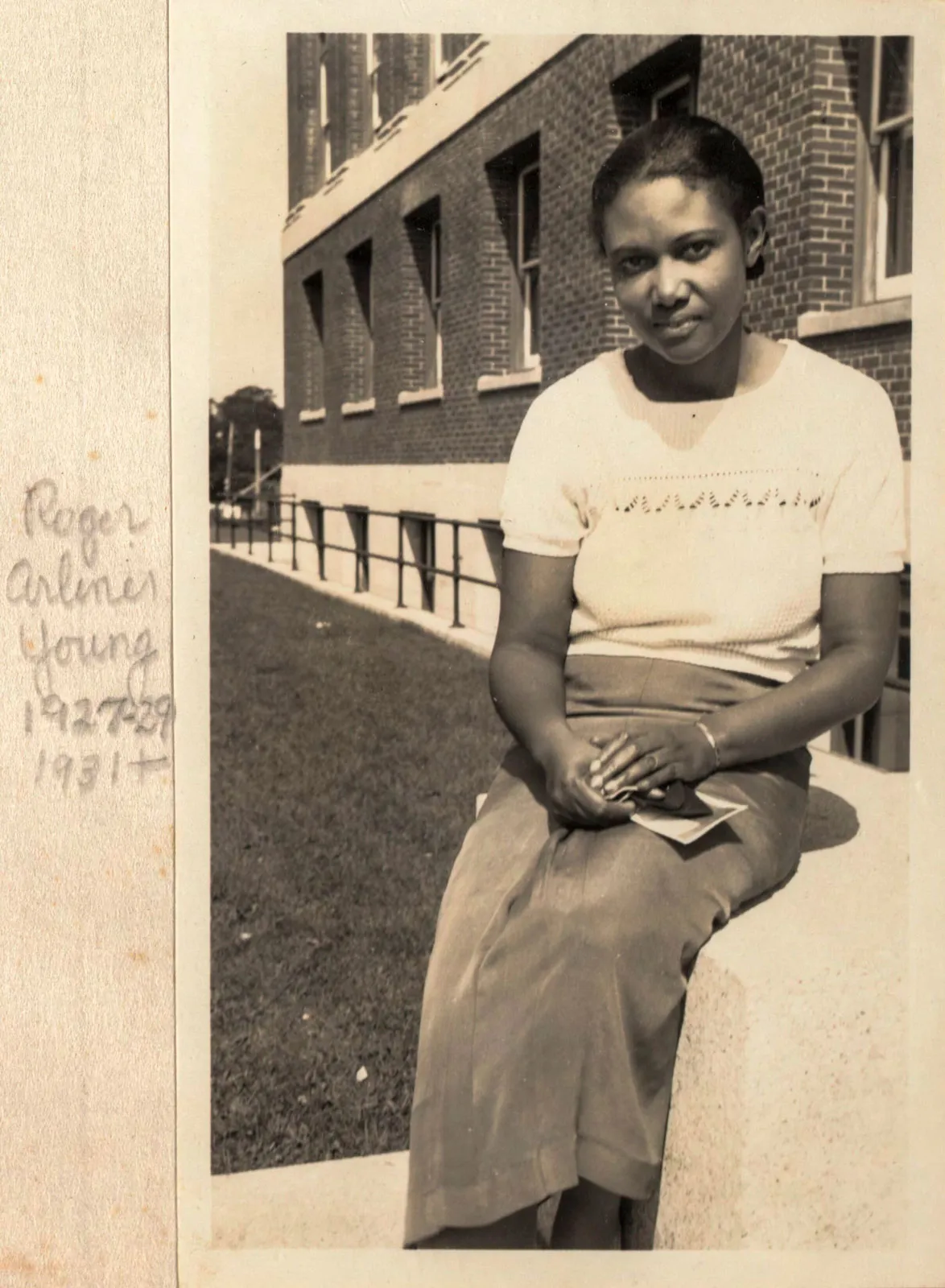
D'innombrables études montrent que Les filles sont moins susceptibles de poursuivre des études scientifiques, malgré des résultats scolaires supérieurs à ceux de leurs camarades masculins. La persistance du sexisme ordinaire est en grande partie responsable de cette situation, notamment la croyance répandue selon laquelle les femmes ne sont pas « faites pour la science », ce qui dissuade implicitement les filles de s'orienter vers ces domaines.
Afin d'encourager les futurs scientifiques, nous avons choisi de dédier cet article à Roger Arliner Young, la première femme afro-américaine à obtenir un doctorat en zoologie, dont l'histoire de vie est aussi impressionnante que scandaleuse.
De la part d'un étudiant anonyme…
Roger Arliner Young naquit en 1889 à Clifton Forge, une ville qu'elle connut à peine, sa famille déménageant rapidement à Burgettstown, près de Pittsburgh, en Pennsylvanie. On sait peu de choses de sa jeunesse, si ce n'est que sa famille était pauvre et qu'elle dut consacrer beaucoup de temps et d'argent aux soins de sa mère handicapée.
Après le lycée, elle partit pour Washington afin d'étudier à l'université Howard, alors la plus prestigieuse pour les Afro-Américains. Ce n'est qu'en 1921, alors qu'elle achevait ses études musicales, qu'elle suivit son premier cours de sciences, en zoologie. Intriguée, elle s'inscrivit également en embryologie.
À ce moment-là, rien ne laissait présager qu'elle se lancerait dans une carrière scientifiqueLa société ne s'y attendait certainement pas. L'historienne Olivia A. Scriven note : « Le fait que des femmes noires deviennent scientifiques, mathématiciennes ou ingénieures ne correspondait pas au cadre — et à l’acceptation — de ce que la société pensait que les femmes noires pouvaient devenir. » On attendait plutôt d'elles qu'elles deviennent enseignantes, infirmières ou assistantes sociales – des carrières qui, selon Scriven, contribueraient à l'émancipation raciale au sein de la société. Roger Arliner Young a d'abord suivi cette voie : lorsqu'elle a obtenu sa licence en 1923, elle a écrit dans son annuaire qu'elle avait l'intention de devenir assistante sociale.
Malgré ses notes scientifiques plutôt moyennes, ses professeurs ont reconnu un potentiel énorme. Parmi eux se trouvait Ernest Everett Juste, un éminent biologiste noir qui dirigeait le département de zoologie. Il la trouvait si prometteuse qu'il lui proposa de devenir son assistante.
…à l’assistant prodigieux
Young arriva à point nommé. Le professeur Just n'était plus aussi productif qu'auparavant et s'était lancé dans une... un vaste programme de recherche en collaboration avec le Conseil national de la recherche. Il avait besoin de toute urgence de quelqu'un pour le décharger de ses obligations à Howard et l'aider dans ses recherches.
Pour rester après sa licence, elle devait poursuivre un master en sciences. Très motivée, elle venait de solliciter une bourse. Il a écrit au Conseil général de l'éducation, expliquant qu'il avait besoin d'un « assistant compétent » et que Young était parfait pour le poste.; il a même avancé qu'une femme serait moins susceptible de le quitter pour une carrière médicale.
Aucun financement ne fut accordé. L'année suivante, Roger entreprit un master à l'Université de Chicago à ses propres frais. Malgré ses motivations intéressées, Just ne s'était pas trompée sur son talent. Durant sa première année, elle a publié un article dans la prestigieuse revue ScienceEn étudiant les paramécies (organismes aquatiques unicellulaires), elle a découvert que différentes parties de leur système digestif fusionnent pour former une structure continue.
Avec cette publication, Young est devenue non seulement la première femme afro-américaine à mener des recherches et à être publiée dans ce domaine, mais Sa découverte lui a également valu une reconnaissance internationale.Elle a même été invitée à rejoindre Sigma Xi, une société d'honneur prestigieuse qui accorde rarement une telle reconnaissance aux étudiants de master. Un professeur immensément fier a salué son excellence technique et l'a qualifiée de « Génie de la zoologie. »
Dès lors, Young et Just collaborèrent étroitement. Durant l'année universitaire, elle enseignait comme professeure adjointe à Howard. Les étés étaient consacrés à la recherche. À partir de 1927, Just l'invita à passer ses étés au Laboratoire de biologie marine de Woods Hole, dans le Massachusetts, une institution de renommée mondiale. Ils y étudièrent la fécondation chez les organismes marins ainsi que les processus d'hydratation et de déshydratation cellulaires.
Malgré son aide précieuse et son talent indéniable, la reconnaissance fut limitée. Ses contributions furent mentionnées dans les demandes de subvention, mais son nom fut systématiquement omis des publications.
Sabotage institutionnel
Encouragée par ses succès et les éloges de ses collègues, Young retourna à l'Université de Chicago en 1929 pour poursuivre un doctorat sous la direction de l'embryologiste Frank Rattray Lillie, un mentor de Just. Sa thèse portait sur les effets des rayonnements ultraviolets sur les œufs d'oursins, un projet qu'elle avait entamé à Woods Hole.
On aurait pu s'attendre à ce que Just allège sa charge de travail pour qu'elle puisse se concentrer sur son doctorat, mais c'est l'inverse qui s'est produit. La même année, il s'est rendu en Europe pour solliciter des financements et l'a nommée directrice par intérim. chef du département de zoologie de Howard. En plus de travailler sur sa thèse, elle devait faire de fréquents allers-retours entre Chicago et Howard — distantes de plus de mille kilomètres — pour organiser ses cours, gérer la discipline et les notes, et négocier avec les donateurs. Il lui était impossible de tout faire.
En 1930, elle échoua à sa soutenance. Le lendemain, Lillie l'informa de son exclusion du programme. Elle lui écrivit pour lui expliquer les difficultés rencontrées : « Le problème, c’est que pendant deux ans, j’ai essayé d’assumer des responsabilités qui n’étaient pas entièrement les miennes et qui n’étaient pas partagées, et ce poids m’a tout simplement épuisée. » Ses amis et collègues l'ont soutenue par des lettres, mais Lillie a refusé de revenir sur sa décision.
Ce renvoi ne fut pas douloureux pour Lillie. En tant que membre de la Société d'éducation eugénique, il croyait que les personnes de couleur étaient génétiquement inférieures aux Blancs.
À ses yeux, cet échec prouvait que Young souffrait de troubles mentaux et était inapte à l'excellence scientifique. Dans sa dernière lettre, il écrivait : « Je ne peux plus être responsable de votre travail de quelque manière que ce soit. » Il a même écrit au président de Howard pour l'avertir de son état de santé.
Le choc a anéanti Young. Elle a quitté Chicago sans laisser d'adresse et a disparu de la circulation pendant un certain temps.
Quand les masques tombent
Ne pouvant rester sans emploi à cause de sa mère handicapée, Young retourna à Howard, où elle reçut un accueil glacial, notamment de la part de Just.
Lillie ayant été la mentor de Just, l'échec de Young lui porta préjudice à un moment où il était lui-même confronté à des difficultés. À la fin des années 1920, le président de Howard cherchait à hisser l'université au rang des établissements réservés aux Blancs. Just avait pour mission de créer un programme de maîtrise en zoologie et avait besoin de convaincre des donateurs blancs de l'excellence scientifique des Noirs. Il avait espéré que le doctorat de Young lui assurerait une forte visibilité. Entre-temps, il voyageait beaucoup à la recherche de donateurs, sans tenir compte de son manque de temps.
Au lieu de l'encourager à réessayer, il est devenu froid et s'est concentré sur son élimination.
Un processus lent et insidieux commença. Il programmait ses cours à des heures inhabituelles et refusait de la rencontrer. Il lui adressait des notes de service la réprimandant pour avoir gardé trop longtemps le matériel de laboratoire — matériel dont elle avait besoin pour ses recherches — ou pour avoir noté trop sévèrement. malgré le respect des règles de son propre départementL’objectif était de recueillir des preuves écrites de l’incompétence présumée.
Bien qu'elle ait continué à passer ses étés à Woods Hole et à publier des articles, le climat de plus en plus toxique rendait la concentration difficile.
En 1935, elle a confronté Just dans une lettre : « Il semble que vous fassiez des efforts délibérés pour m’empêcher de faire de la recherche… Un tel comportement est tellement contraire à celui d’un véritable scientifique ou à l’esprit d’une véritable université que j’ai longtemps essayé de ne pas croire qu’il était délibéré. »
Cette lettre marqua la fin de sa carrière à Howard : il la licencia dans l'année.
Ce renvoi la choqua, mais lui donna l'élan nécessaire pour reprendre le combat pour son doctorat. En 1937, elle s'inscrivit à l'Université de Pennsylvanie sous la direction de Lewis Victor Heilbrunn. une biologiste avec qui elle s'était liée d'amitié à Woods Hole. Cette fois, elle a reçu le soutien dont elle avait besoin et a obtenu son doctorat en 1940.
Un militant trop vocal ?
Devenue docteure Young, elle s'installa en Caroline du Nord, où elle fut recrutée par deux universités. Comparées à Howard, il s'agissait d'établissements de second rang, aux ressources de recherche limitées et aux salaires moins élevés. Elle trouvait pourtant l'environnement plus sain et plus accueillant.
Durham semblait relativement progressiste pour ses habitants noirs, bénéficiant du soutien de chefs d'entreprise noirs. Cependant, la priorité était donnée à l'émancipation économique plutôt qu'à la promotion sociale et à la libération.
En 1944, un homme noir fut assassiné par un chauffeur de bus blanc. L'indifférence des autorités incita Young à devenir militante. Elle fut élue secrétaire de la NAACP et devint organisatrice pour l'AFL en faveur des travailleurs noirs du tabac.
Son militantisme lui valut bientôt des ennuis. Le 5 juillet 1946, alors qu'elle prenait le bus pour rencontrer des ouvriers, on lui ordonna de céder sa place à un homme blanc et de se déplacer au fond. Elle refusa. La police la traîna hors du bus. Lorsque le maire lui proposa d'abandonner les charges en échange d'excuses publiques, elle préféra passer plusieurs heures en prison.
Les universités ont perçu son comportement comme subversif. Moins d'un an plus tard, elle fut renvoyée et contrainte de quitter son poste ; l'historienne Christina Greene suggère qu'elle a probablement été mise sur liste noire sur la côte Est.
Elle accepta des postes dans des universités du Sud, mais ne put jamais conserver un emploi plus d'un ou deux ans. N'ayant jamais pu épargner à cause des soins qu'elle prodiguait à sa mère, cette instabilité aggrava sa situation financière. Pour couronner le tout, elle commença à perdre la vue : ses expériences sur les UV à Woods Hole avaient endommagé ses yeux de façon permanente.
Ces épreuves ont eu des conséquences néfastes sur sa santé mentale. À la fin des années 1950, elle s'est fait interner dans un hôpital psychiatrique du Mississippi.
Roger Arliner Young est décédé le 9 novembre 1964 à La Nouvelle-Orléans.
Une perte inestimable pour la science
Pourquoi consacrer un article à Roger Arliner Young ?
Pour être honnête, nous l'avons découverte par hasard dans un Daily Geek Show Article listant 36 femmes scientifiques qui ont changé le monde. Cinq brèves lignes la mentionnaient comme la première Afro-Américaine à obtenir un doctorat en zoologie. Intrigués, nous avons consulté sa page Wikipédia, qui résumait son parcours universitaire en seulement 500 mots.
La seule source complète et fiable que nous ayons trouvée était un excellent article de la BBC, basé sur des recherches universitaires. Sinon, rien.
Même dans la mort, Roger Arliner Young a été reléguée au second plan : aucune archive ne lui est consacrée. Des historiens interrogés par la BBC ont reconstitué sa vie à travers les notes et les lettres d'Ernest Everett Just et de Frank Rattray Lillie, qui, lues sans esprit critique, dépeindre une femme difficile, à la santé mentale fragile et peu importante.
Cela occulte l'essentiel. Roger Arliner Young était courageuse, persévérante et ambitieuse, et elle a passé sa vie à affronter des obstacles incessants. Moins de cinquante ans après l'abolition de l'esclavage, qu'une femme noire obtienne un doctorat relevait presque du surréalisme. Entre 1876 et 1969, sur les 650 personnes de couleur qui ont obtenu un doctorat en sciences naturelles, seules 58 étaient des femmes (historienne Wini Warren).
Sarah Díaz, chercheuse, fait remarquer : « Il lui a fallu 25 ans avant de craquer. C’est remarquable… mais il y a des limites à ce que l’on peut endurer en matière d’oppression et d’isolement. »
Ce texte occulte également le potentiel extraordinaire qu'on a reconnu dès son plus jeune âge. Elle a réalisé d'importantes découvertes scientifiques dès ses débuts. Imaginez ce qu'elle aurait pu accomplir si elle n'avait pas été confrontée au racisme et au sexisme, si elle avait pu préparer son doctorat dans des conditions normales, si on lui avait accordé le temps et les ressources nécessaires au lieu de l'exploiter.
Nous concluons en espérant que son histoire vous inspirera à poursuivre vos ambitions et à ne jamais abandonner. Comme l'a si justement écrit notre zoologiste : « Ce n’est pas l’échec, mais le manque d’ambition qui est un crime. »
 French
  English