Who Gets a Say?
Making Local Democracy More Inclusive Across Europe
Democracy works better when everyone has a voice. But across Europe, many people from migrant and minority backgrounds still face barriers to participating in the decisions that shape their communities. How can we change that?
This question is at the heart of PACT (Participatory Action for Community Transformation), a European project bringing together civil society organisations, local authorities, and communities to make democratic participation more inclusive, accessible, and representative.
Running from 2026 to 2027 and supported by the European Union’s Citizens, Equality, Rights and Values (CERV) programme, PACT aims to strengthen the role of underrepresented communities in local decision-making.
Bringing different voices to the same table
As part of PACT, partners across Europe organised local consultations and workshops, bringing together community members, local authorities, civil society organisations, and experts.
From France to Hungary, Greece, Italy, Spain, and North Macedonia, these conversations explored a shared challenge: what prevents people from participating in local democracy, and what would make participation more meaningful?
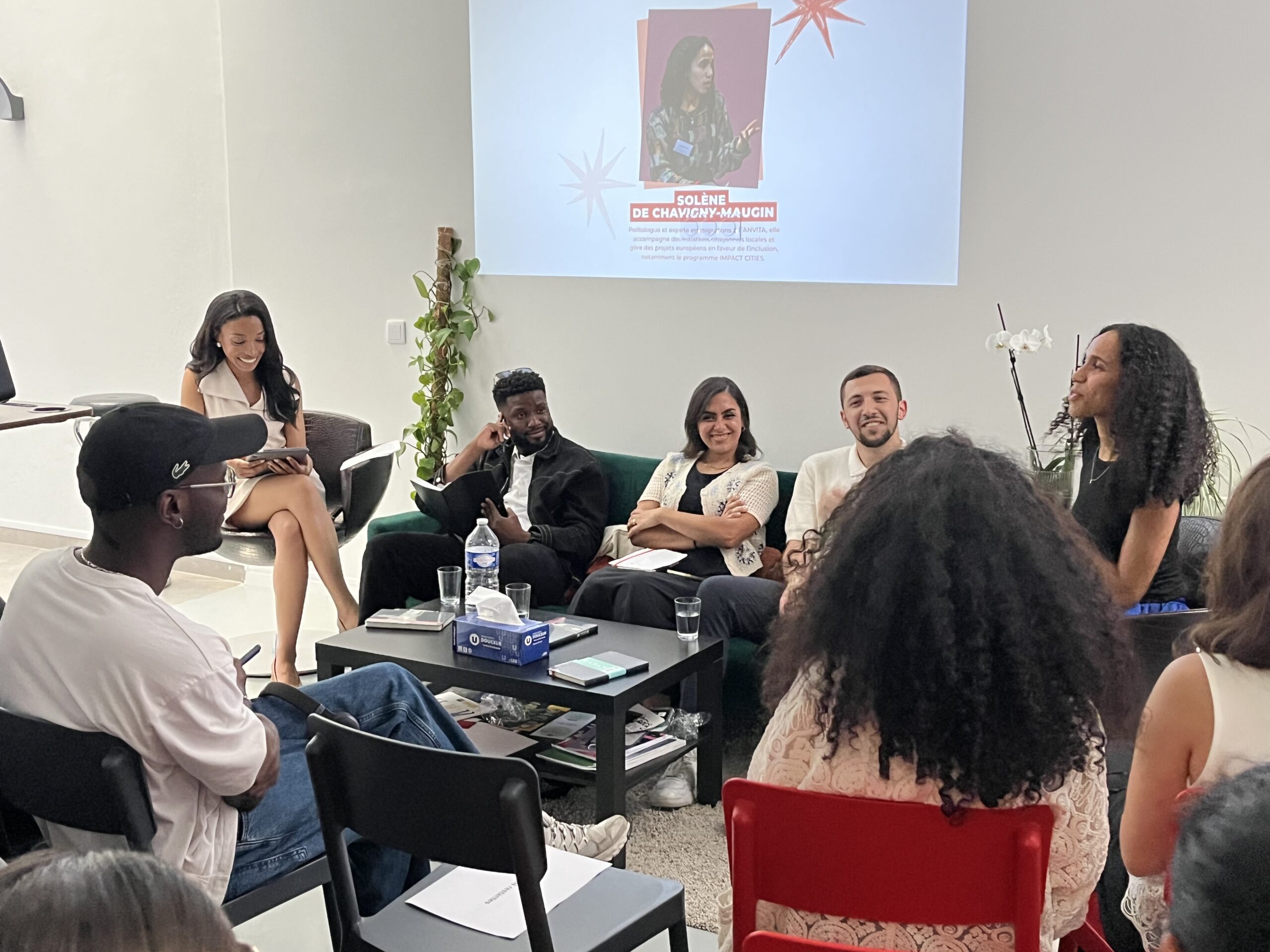
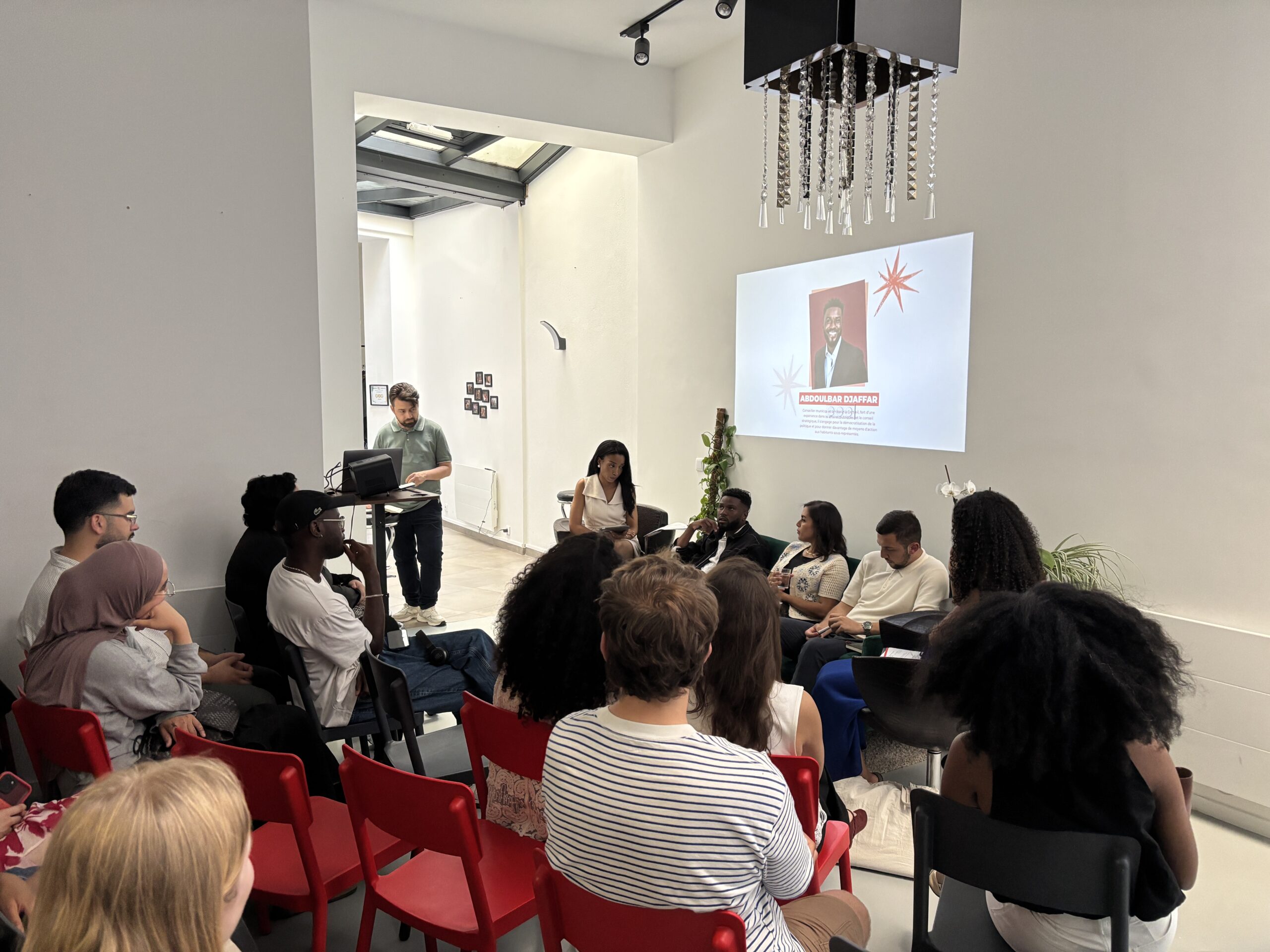
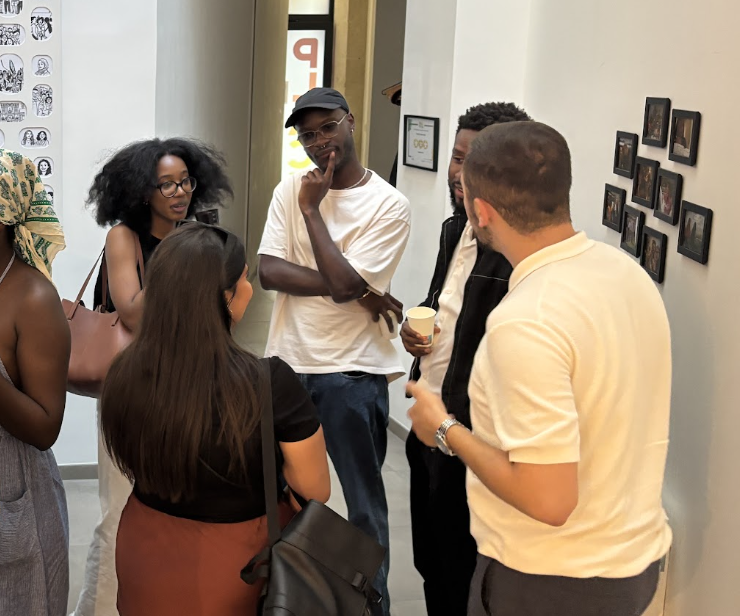
In Paris, PLACE brought together minority elected officials, political scientists, and community organisers for a roundtable discussion on representation and access to political life.
Participants explored the challenges faced by people from minority and migration backgrounds, including limited access to political networks, institutional knowledge, and opportunities for representation.
The discussions also highlighted promising practices, such as bringing local council meetings directly into neighbourhoods to make participation more accessible.
What did we learn?
While every community has its own experiences, the consultations revealed several common challenges across Europe:
- Access to information: Language barriers, complex administrative processes, and unclear communication can make democratic participation difficult to navigate.
- Trust in institutions: People need to know that their contributions are heard, valued, and reflected in decisions.
- Representation: Communities need opportunities to actively shape policies that affect their lives.
- Everyday barriers: Financial constraints, work schedules, transport, and caregiving responsibilities can make participation difficult.
- Discrimination and stereotypes: Exclusionary narratives continue to influence who feels welcome and represented in public life.
These findings highlight an important point: creating opportunities for participation is only the beginning. Making those opportunities accessible, meaningful, and inclusive is what creates lasting change.
Explore the PACT report
We are pleased to share the Final Report on Identified Barriers and Needs for the Participation of Minorities in Local Decision-Making and Political Life, developed as part of PACT’s third work package.
The report brings together insights from local consultations across Europe, identifying common barriers and the conditions needed to make democratic participation more accessible and meaningful.
Read the full report: Final Report on Identified Barriers and Needs
Because building more inclusive democracies starts with recognising that everyone has something to contribute, and making sure they have the space to do so.
PACT is funded by the European Union through the Citizens, Equality, Rights and Values (CERV) programme. Learn more about the project on ALDA’s website.
 English
  French