Voices of Transformation: PLACE’s Communications Team Reflection
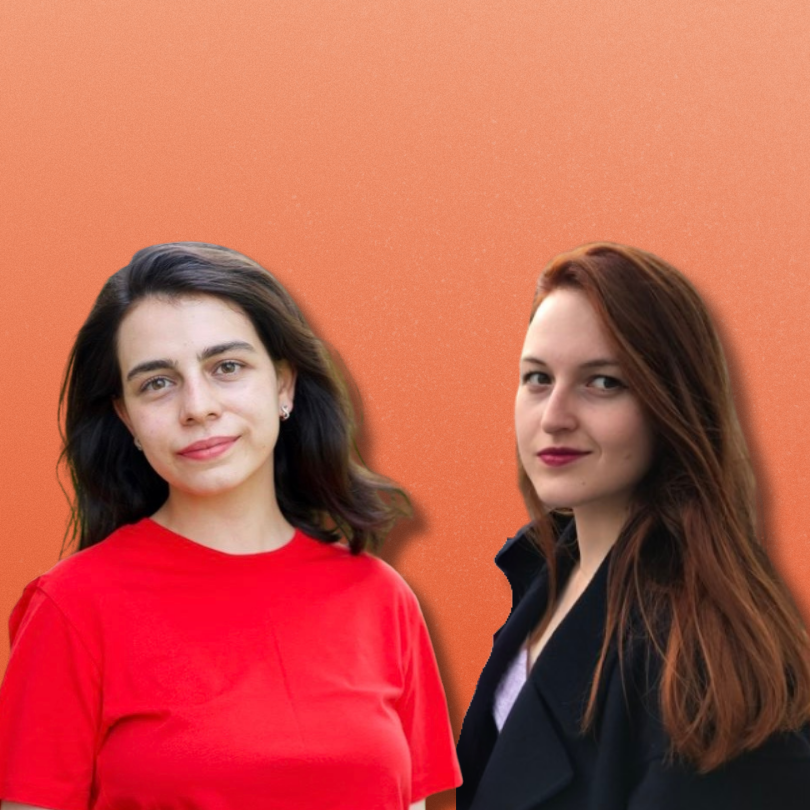
Sophie Gholami & Joséphine Coadou
In a world where words travel faster than ever and visibility often equals opportunity, communication has become a powerful force for change, or for harm. How we use our platforms, who we amplify, and when we choose to step back all matter.
Written by Sophie Gholami and Joséphine Coadou from PLACE’s Communications Team, this article explores why communication is never neutral, and how it can be used as a tool for human rights, justice, and dignity. Drawing from PLACE’s daily practice and values, it invites readers to reflect on the ethics of the microphone, and on the responsibility that comes with being heard. Because sometimes, one message really can make a difference.
Why does communication matter?
And what can we achieve through it in a world where most of our connection with the outside is reduced to social media, online networks, and digital channels, where many opportunities, including jobs, are often just words on a glowing screen?
As humans living in a highly connected world, where we can reach almost anyone, anywhere, communication has become an essential tool. It allows us to educate ourselves and others, not only those around us, but people across borders and continents. This tool has the power to influence millions, for better or for worse. What matters most is using this access to speak for those who, unfortunately, do not have it. Because of oppression, conflict, or political realities, many people are denied the same platforms and freedoms that we have today.
So let’s put it this way: how can we use this powerful communication tool, one that has been made accessible and affordable, to support human rights, justice, and dignity? How can we use it to amplify voices from other countries or continents, sometimes by something as simple as sharing a message? You never know… one post, one click, one act of visibility could make a real difference. That is how powerful this tool is, right here, right now, in our hands.
Learning how to be socially present and responsible online is one of the most important skills anyone can develop today. At PLACE, our communication work is a daily practice. We constantly reflect on our online presence: how we can stand with more people for justice, how we can use these channels to influence change in a way that aligns with our values as a team and as an organization committed to human rights, social justice, and inclusion.
This is a continuous process, one that never truly ends. We are grateful for the freedom to speak openly and to access the world with such ease. Coming from migration backgrounds and from countries where access to the internet is restricted or denied, we understand how fragile this access can be, it reminds us that much of this privilege is simply a matter of luck. That awareness comes with responsibility: to use our voice for those who cannot, and to choose education, solidarity, and positive influence over hate and division. If we have this tool, why not use it to help build a better future?
The ethics of the microphone
But building that future requires more than speaking up. It takes a deep, intentional shift in who holds the microphone.
At PLACE, one of the most profound lessons we have learned is that communication only gains its full meaning when it serves a purpose greater than itself. In today’s digital age, communication professionals have never been busier. They are expected to produce content and maintain a presence on all platforms, at every hour of the day. And yet, the more we communicate, the more it can feel hollow. But when you mobilize it for the right cause, it transforms from a mere performance into a form of activism.
But power, even used for good, can cast a long shadow: the temptation to speak for others.
We often talk about “giving a voice to the voiceless”. But the truth is, no one is voiceless. Many people are simply unheard or systematically silenced. As Communications professionals, our role is not to take the mic and narrate their lives through our lens. Doing so, even with the best intentions, can inadvertently reinforce the very power imbalances we seek to dismantle.
Instead, our mission is to lift others up. To provide the platform, the digital tools, and the visibility, while ensuring that the person telling the story is the one who lives it. It is about passing the mic, rather than being the voice. When a person shares their own journey, their own expertise, their own dreams, the narrative shifts from one of victimhood, of otherness, to one of agency and power.
That is where the real change happens. Not when we describe the world as we see it, but when we step aside so others can show us the world as they live it.

